
Comprehensive vs. collision: what each one actually covers
Comprehensive and collision cover different kinds of damage, each with its own deductible, and knowing the split helps you decide what to actually pay for.

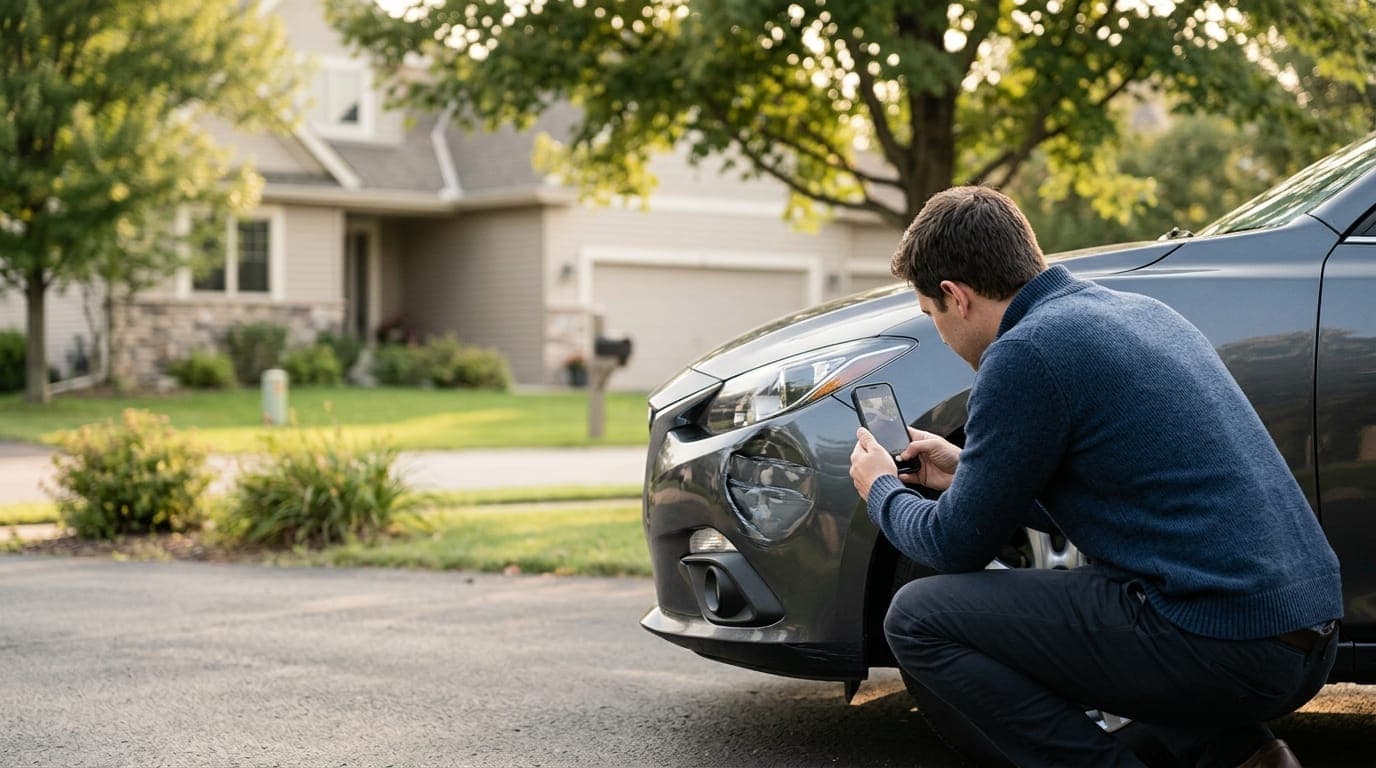
Comprehensive and collision get lumped together so often that it's easy to assume they're one thing with two names. They're not. They're two separate optional coverages that happen to get sold as a pair, and each one responds to a different category of damage to your own vehicle.
Neither one has anything to do with injuries or damage you cause to someone else. That's what liability coverage is for. Comprehensive and collision exist purely to fix or replace your own car.
What does collision coverage pay for?
Collision coverage pays for damage to your car from hitting another vehicle or object, or from another vehicle or object hitting you, regardless of who's at fault. If you rear-end someone, collision pays for your car's repairs. If someone rear-ends you, collision also pays for your repairs while your insurer separately goes after the other driver's insurer to recover the cost.
This includes single-car accidents too. Sliding into a guardrail, hitting a parked car, or rolling into a ditch all typically fall under collision, since the common thread is impact with another vehicle or object while the car is in motion.
What does comprehensive coverage pay for?
Comprehensive coverage handles damage that isn't caused by a collision with another vehicle or object. That includes theft, vandalism, fire, falling objects like tree branches, hail and other weather events, flooding, and hitting an animal. If your car is stolen or keyed in a parking lot, that's a comprehensive claim, not a collision one.
A useful way to remember the split: collision is about motion and impact between two things. Comprehensive is about almost everything else that can happen to a car sitting still or moving through the world, including animals darting into the road.
How do the deductibles work?
Comprehensive and collision each carry their own deductible, and they don't have to match. You might choose a lower deductible for comprehensive since claims like glass damage tend to be smaller and more frequent, and a higher deductible for collision to keep premiums down. Check your policy declarations page to see what each one is currently set to, since insurers don't always default them to the same number.
A single accident can sometimes trigger both types of claims. Hitting a deer that then causes you to swerve into a guardrail could mean a comprehensive claim for the animal strike and a collision claim for the guardrail impact, each with its own deductible applied.
When does a car's value justify carrying comprehensive and collision?
These coverages make the most sense when your car's actual cash value is high enough that a payout would meaningfully offset the cost of repair or replacement. As a car ages and its value drops, there's a point where the maximum possible payout gets close to what you're paying in premiums year after year, and carrying the coverage stops making financial sense.
There's no fixed cutoff that applies to every car or every driver. Some owners drop collision first, since crash repairs on an older car often exceed the car's value anyway, while keeping comprehensive for theft and weather protection at a lower premium. Others drop both once a car is old enough that they'd be comfortable absorbing a total loss themselves.
Do lenders require comprehensive and collision on a financed car?
Yes. If you're financing or leasing, the lender or leasing company has a financial stake in the vehicle until it's paid off, and they typically require you to carry both comprehensive and collision for as long as the loan or lease is active. This protects their collateral, not just you.
Once the loan is paid off and you own the car outright, the requirement goes away and the decision becomes yours. That's often the point where drivers reassess whether it's still worth carrying both coverages, especially on an older vehicle.
Assuming a stolen car or an animal strike falls under collision coverage. Both are comprehensive claims. If you dropped comprehensive to save money but kept collision, you'd have no coverage at all for theft, fire, or hitting a deer.
If you're also thinking about how much you'd pay out of pocket when a claim happens, it helps to look at comprehensive and collision alongside your deductible choices as a package rather than deciding on each in isolation. A lower premium with a high deductible on both coverages can still leave you exposed if you don't have the cash on hand to cover it.
Deductibles: the $500 vs $1,000 maths · Gap insurance: when a totaled car still leaves you owing money · How to compare car insurance quotes: 10-step guide
This guide is general information, not insurance advice, and does not account for your state's specific regulations. Figures cited are industry estimates from published rate studies. VIP Car Insurance is a free comparison service and is not an insurer.
Questions, answered
The things people actually ask.